What is Rosacea?
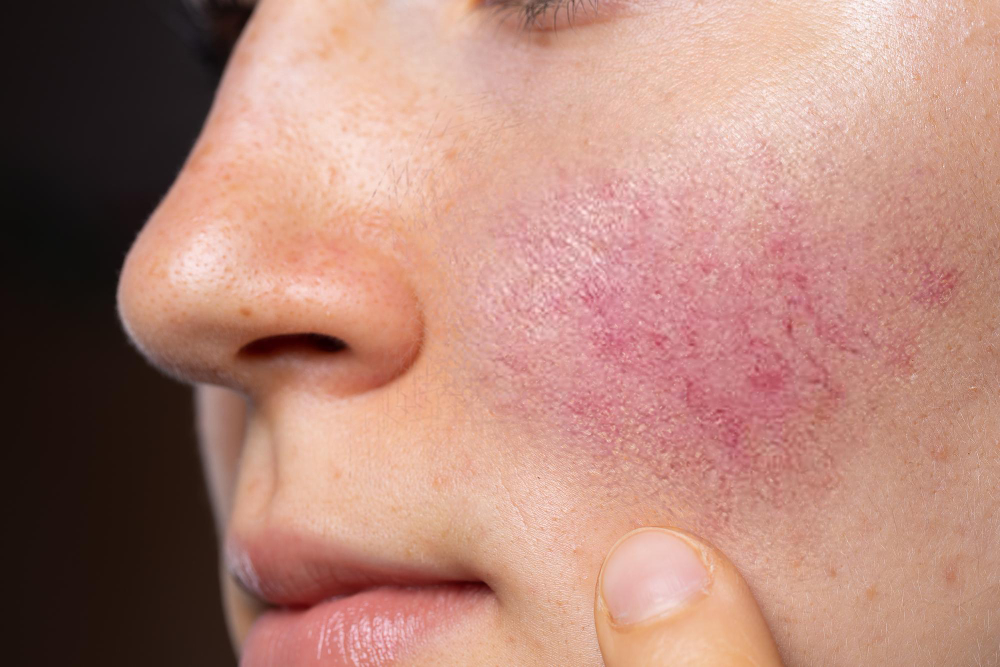
Rosacea is a chronic skin condition that causes redness and inflammation, most commonly across the nose and cheeks. It is often mistaken for other skin issues but can be well managed when diagnosed correctly. At Mountain View Dermatology and Aesthetics in Tucson, AZ , Dr. Marc I. Epstein and his team use advanced treatments, including laser and light therapy, to minimize rosacea symptoms and improve the appearance of your skin.
Request an AppointmentWhat Are the Symptoms of Rosacea?
Rosacea presents differently in every patient. Symptoms may range from mild flushing to more severe and persistent inflammation. Common signs include:
- Persistent facial redness, especially across the cheeks and nose
- Frequent flushing or blushing
- Visible blood vessels (telangiectasia)
- Red, swollen bumps that can resemble acne
- Burning, stinging, or sensitive skin
- Eye irritation or dryness (ocular rosacea)
- Thickened skin or a bulbous nose appearance (rhinophyma)
Because rosacea bumps can look like breakouts, it is often mistaken for acne. However, many acne treatments can irritate rosacea-prone skin, which is why an accurate diagnosis from a dermatologist is so important.
Who Gets Rosacea?
Rosacea can affect anyone but is most often seen in middle-aged and older women with lighter skin. Men can develop rosacea too and are more likely to experience thickening of the skin on the nose. A family history of rosacea also increases your risk.
Common Rosacea Triggers
Rosacea flares are often triggered by factors that cause blood vessels to dilate. Common triggers include:
- Sun exposure
- Heat and hot weather
- Spicy foods and hot beverages
- Alcohol, especially red wine
- Stress and strong emotions
- Intense exercise
- Harsh skincare products
For patients in Tucson, AZ , sun and heat are two of the biggest triggers. Daily mineral sunscreen, staying cool, and avoiding peak sun hours can make a meaningful difference.
How Is Rosacea Treated?
Although rosacea cannot be cured, a variety of effective treatment options are available:
- Antibiotics: Taken orally or applied as a cream, gel, or lotion to help reduce flare-ups
- Oral medications: Often work faster for inflammatory bumps but may come with more side effects
- Acne medications: For some patients, isotretinoin has proven helpful in controlling symptoms
- Laser or electrosurgery: Used in more advanced cases to reduce visible blood vessels or excess tissue buildup around the nose
- Light-based therapy: BBL Hero BroadBand Light can target persistent redness and broken blood vessels
During your consultation, we determine which approach or combination of treatments will work best for your condition. Gentle treatments such as LED Lightwave Therapy may also help calm inflammation for some patients.
Why Early Treatment Matters
While there is no permanent cure, timely care can prevent rosacea from worsening. Left untreated, rosacea can cause flare-ups that last days or even weeks, and redness can become more persistent over time. Our team will carefully assess your skin and design a personalized plan to help manage symptoms and improve your quality of life.
Caring for Rosacea-Prone Skin
Use a gentle, fragrance-free cleanser and moisturizer, avoid abrasive scrubs, and choose a mineral sunscreen every day. Our team can recommend calming medical-grade skin care products suited to sensitive skin. If you also have brown patches or uneven pigment, see our melasma page. Learn more about other conditions we treat or our medical dermatology services.
Rosacea FAQs
Is rosacea the same as acne?
No. Rosacea can cause acne-like bumps, but it is a different condition with different triggers and treatments. Some acne products can irritate rosacea.
Can rosacea be cured?
There is no permanent cure, but rosacea can be effectively controlled with the right treatment plan and trigger management.
Does the Arizona sun make rosacea worse?
Yes. Sun exposure and heat are among the most common rosacea triggers. Daily sun protection and staying cool help reduce flares.
Can lasers help with rosacea redness?
Yes. Laser and light-based treatments such as BBL Hero can reduce persistent redness and visible blood vessels.
Can rosacea affect the eyes?
Yes. Ocular rosacea can cause dry, gritty, red, or irritated eyes. Let your provider know if you experience eye symptoms.
What skincare is best for rosacea?
Gentle, fragrance-free cleansers and moisturizers and a mineral sunscreen are usually best. Our team can recommend specific products.
How do I schedule a rosacea consultation?
Call (520) 881-8161 or request an appointment online.
Calm Your Skin With Expert Rosacea Care
Persistent redness does not have to be permanent. Call (520) 881-8161 to schedule a rosacea consultation at Mountain View Dermatology and Aesthetics.