
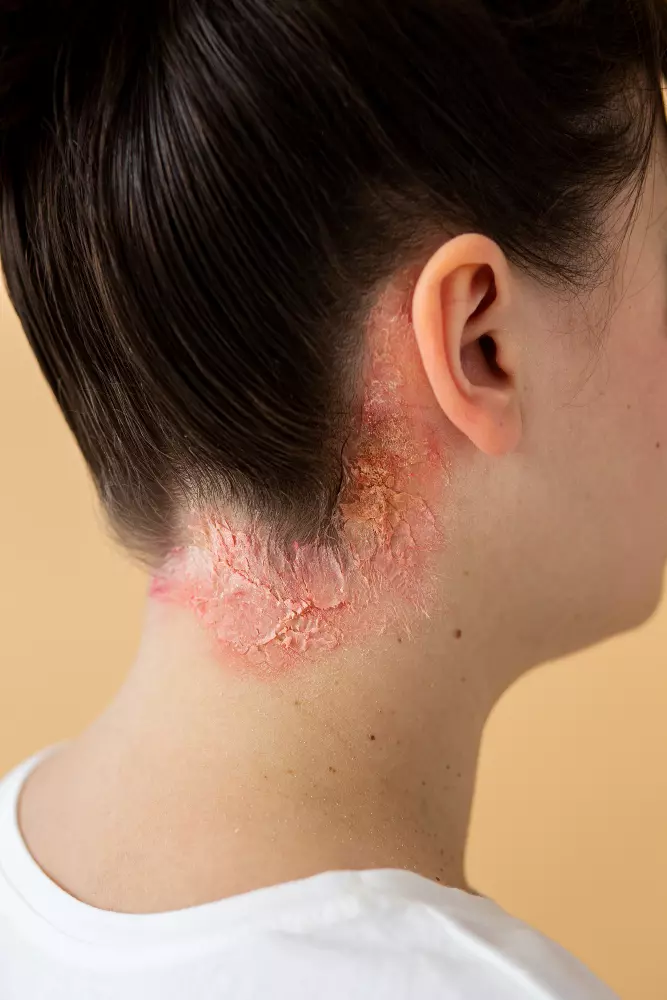
What is Psoriasis?
Psoriasis is a chronic immune-related skin condition that causes thick, scaly plaques that can itch, crack, and bleed. It commonly affects the elbows, knees, scalp, and lower back, and it can also involve the nails and joints. At Mountain View Dermatology and Aesthetics in Tucson, AZ , Dr. Marc I. Epstein and our team offer proven psoriasis treatments to calm flares, clear plaques, and help you feel comfortable in your skin.
Request an AppointmentWhat Causes Psoriasis?
Psoriasis is an immune-mediated condition. Normally, skin cells grow and shed over about a month. In psoriasis, an overactive immune system speeds up this cycle so that new cells build up on the surface in just a few days, forming raised, scaly plaques. Psoriasis tends to run in families, and flares are often triggered by:
- Stress
- Skin injuries such as cuts, scrapes, or sunburn
- Infections, including strep throat
- Certain medications
- Smoking and heavy alcohol use
- Cold, dry weather or very low humidity
Psoriasis is not contagious, and it is not caused by poor hygiene.
Types and Symptoms of Psoriasis
The most common form is plaque psoriasis, which causes raised, red or discolored patches covered with silvery-white scale. Plaques often appear on the elbows, knees, scalp, lower back, and around the nails. Other types include guttate psoriasis (small drop-shaped spots), inverse psoriasis (smooth patches in skin folds), and pustular psoriasis. Common symptoms include:
- Thick, well-defined plaques with scale
- Dry, cracked skin that may bleed
- Itching, burning, or soreness
- Pitted, thickened, or ridged nails
- Scalp flaking that can resemble severe dandruff
- Swollen, stiff, or painful joints
Joint pain or stiffness can be a sign of psoriatic arthritis, a related condition that should be evaluated early to help protect the joints. Psoriasis can sometimes be confused with eczema or other inflammatory skin conditions, so an accurate diagnosis is essential.
Psoriasis Treatment at Mountain View Dermatology and Aesthetics
There is no cure for psoriasis, but today’s treatments can clear or greatly reduce plaques for many patients. Dr. Marc I. Epstein and our team match treatment to the type, location, and severity of your psoriasis, as well as your overall health. Options may include:
- Prescription topical medications to reduce inflammation and slow skin cell growth
- Medicated shampoos and scalp treatments
- Oral medications for more widespread disease
- Advanced injectable therapies for moderate to severe psoriasis when appropriate
- Gentle, consistent skincare to soften scale and protect the skin barrier
We monitor your progress closely and adjust your plan as needed. Our team can also recommend medical-grade skin care products to keep skin comfortable between visits.
Living Well With Psoriasis in Arizona
Many patients notice their psoriasis improves with moderate sun exposure, but sunburn can trigger new plaques and increases the risk of skin cancer. In the Tucson sun, it is important to protect your skin while following your dermatologist’s guidance. Moisturize daily, manage stress, avoid picking at scale, and keep up with follow-up appointments.
Psoriasis is more than a skin condition, and it can affect confidence and quality of life. We are here to help you feel more comfortable in your skin. Explore other conditions we treat or view our dermatology services.
Psoriasis FAQs
Is psoriasis contagious?
No. Psoriasis is an immune-related condition and cannot be spread through touch or contact.
Can psoriasis be cured?
There is no permanent cure, but modern treatments can clear or significantly reduce plaques and keep the condition well controlled for long periods.
What triggers a psoriasis flare?
Common triggers include stress, skin injury, infections, certain medications, smoking, alcohol, and dry weather. Identifying your triggers is an important part of management.
Does sunlight help psoriasis?
Controlled ultraviolet light can improve psoriasis, but sunburn can trigger flares and increases skin cancer risk. Talk with your dermatologist before using sun exposure as treatment.
Can psoriasis affect my joints?
Yes. Some people develop psoriatic arthritis, which causes joint pain, swelling, and stiffness. Let your provider know if you notice these symptoms.
What is the difference between scalp psoriasis and dandruff?
Dandruff causes fine, oily flakes, while scalp psoriasis typically causes thicker, silvery scale on raised, well-defined plaques that may extend beyond the hairline.
How do I schedule a psoriasis appointment?
Call (520) 881-8161 or request an appointment online to be evaluated by our Tucson dermatology team.
Take Control of Your Psoriasis
Effective psoriasis treatment starts with an expert evaluation. Call (520) 881-8161 to schedule your visit at Mountain View Dermatology and Aesthetics.